
October 14, 2026
The Second Infrastructure
Oct 13 2026, Sibane Nxumalo
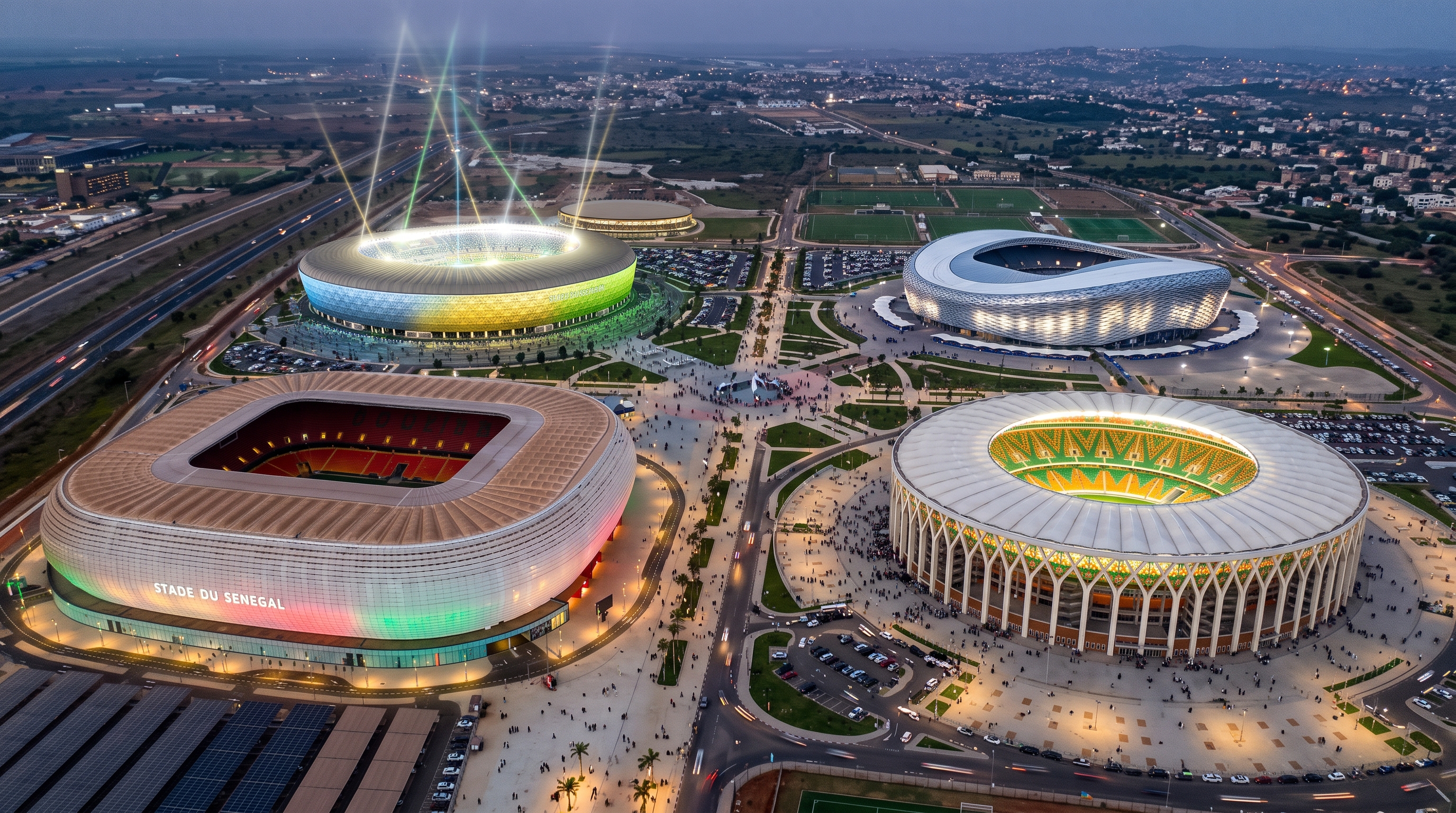
Africa is building stadiums to host the world. But every event also needs a second infrastructure, one you cannot see, that decides what the world remembers.
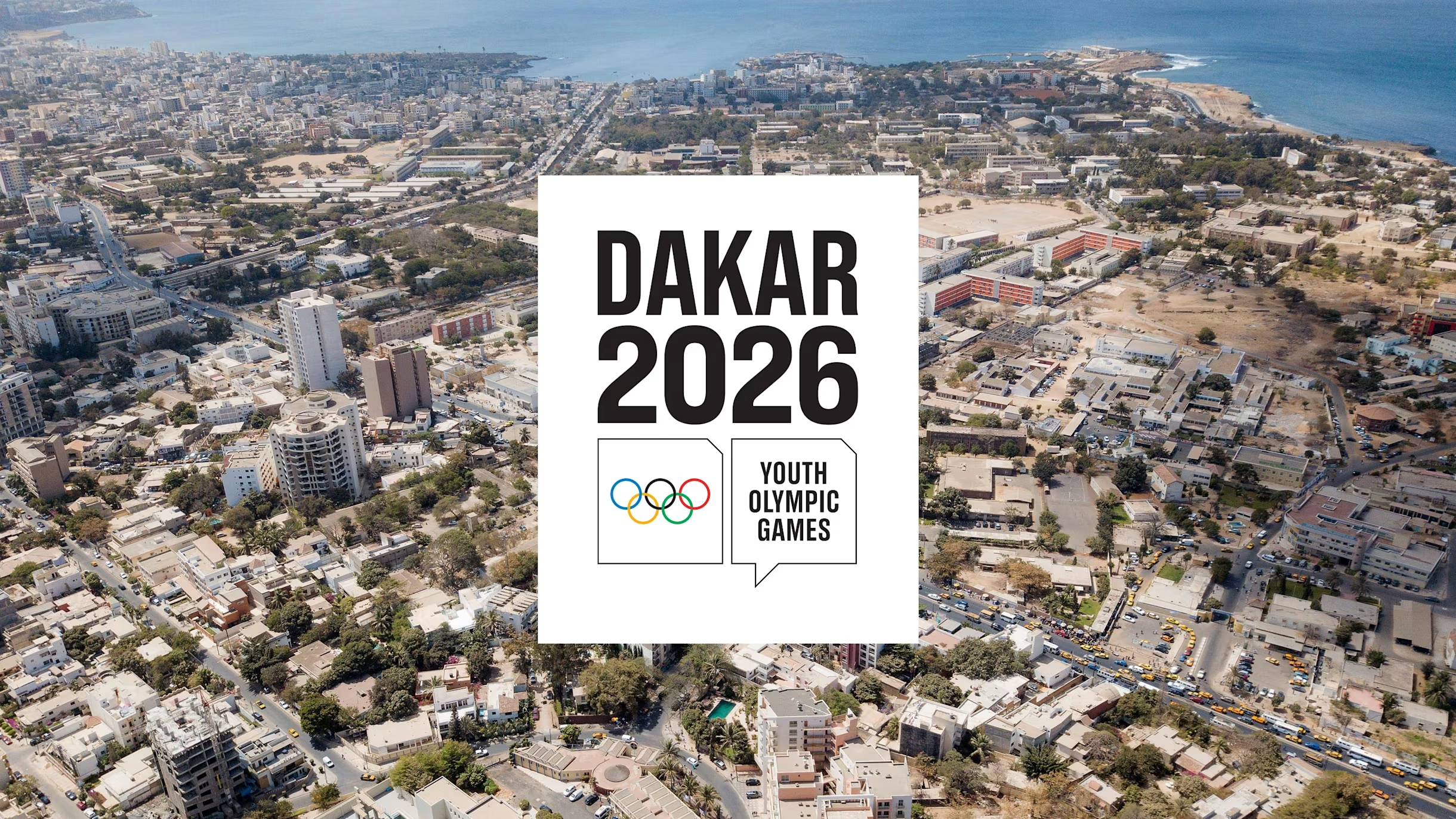
On 31 October, the Youth Olympic Games open in Dakar. It is the first Olympic event ever held on African soil. For fourteen days, around 2,700 young athletes will compete across Dakar, Diamniadio and Saly, and the world's cameras will turn to Senegal. Then, on 13 November, the flame goes out. The athletes fly home. The broadcast trucks leave. The arenas go quiet.
What remains is not only concrete and steel. What remains is a story: the images, the footage, the faces, the moments that will decide how Dakar 2026 is remembered. That story will shape how Senegal pitches its next event, how its young people see their own country, and how the world sees Africa as a host.
So who is building that story? And is anyone building it on purpose?
Something has shifted in African sport. For decades, the continent's greatest sporting moments mostly happened elsewhere: in European leagues, at Olympic Games in other hemispheres, on screens owned by someone else.
That is changing. Côte d'Ivoire built and renovated stadiums for the 2023 Africa Cup of Nations. Morocco hosted AFCON 2025 and is preparing to co-host the 2030 FIFA World Cup. Rwanda has turned Kigali into a calendar of global events, from the Basketball Africa League to the first UCI Road World Championships ever held in Africa. Formula 1 has confirmed it will race in Rwanda from the early 2030s, its first African Grand Prix since 1993. And Senegal now opens the continent's first Olympic event.
Governments are investing heavily in the visible infrastructure: stadiums, arenas, convention centres, hotels, roads, airports. These are the assets that win bids and fill seats. They are measured in capacity, cost and square metres.
But there is a second infrastructure behind every one of these events. It rarely appears in a budget line, and it is almost never planned with the same care.
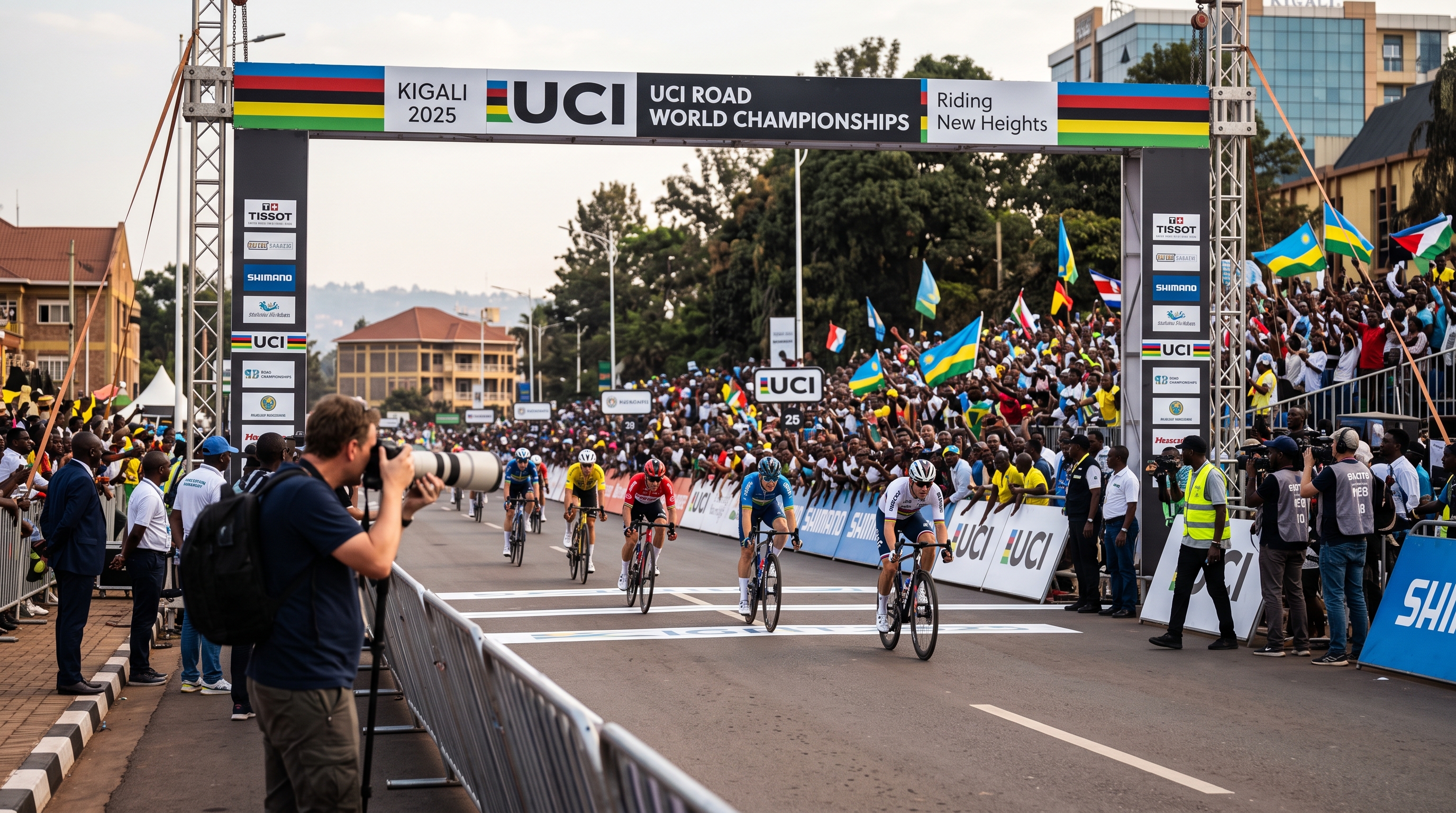
We call it narrative infrastructure: the people, systems and decisions that capture, shape, store and circulate the story of a nation's moments.
It includes:
The storytellers - photographers, filmmakers, writers, designers - who are at the scene when history happens.Like roads or power lines, narrative infrastructure is only noticed when it fails. When a historic night is remembered through a handful of blurry phone videos. When a country pitches for its next event and cannot find good footage of its last one. When the defining image of an African moment belongs to someone else.
And unlike a stadium, it is usually built by accident, assembled event by event by whoever happens to be in the room.

At AFCON 2023, Côte d'Ivoire's hosting campaign nearly collapsed in the group stage. A 4–0 defeat to Equatorial Guinea, a coach dismissed mid-tournament, qualification as one of the best third-placed teams. Then a run all the way to lifting the trophy in Abidjan.
The football was remarkable. But what travelled was the narrative: resurrection, a nation's joy, a host that refused to go home. Long after the scores fade, that story is what people retell. Hosting is not only an operational achievement. It is a storytelling opportunity, and sometimes the story is the most valuable thing a tournament leaves behind.
Morocco treats each event as a chapter in a longer book. AFCON 2025 was not only a tournament; it was a rehearsal and a showcase on the road to co-hosting the 2030 World Cup. Every image of a full stadium in Rabat or Tangier becomes evidence in the next pitch.
This is narrative infrastructure working as strategy: deciding in advance what each event must prove, and capturing it so it can be used again.
Dakar 2026 is the example happening right now. It is a historic first for the continent, built around young athletes, and coinciding with Africa Youth Day on 1 November.
The question for Senegal is not only whether the Games run well. It is whether, in 2050, a young Senegalese will be able to find the images, footage and stories of these two weeks, and whether those stories will be told from Senegal's point of view.
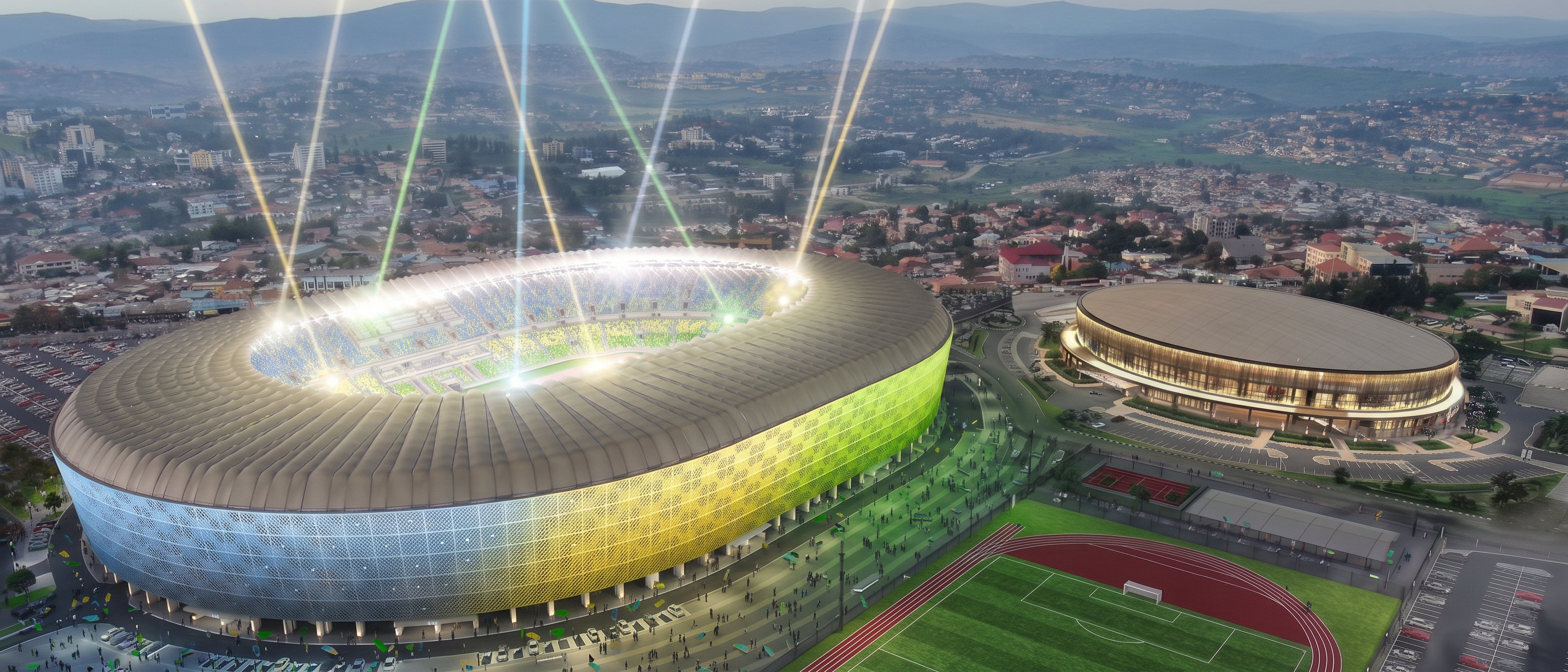
Rwanda is where we at TORI have watched narrative infrastructure take shape from the inside. For five years we have told the story of Kigali Sports City: BK Arena, Amahoro Stadium, Zaria Court and Le Petit Stade. We have been in the room for the UCI Road World Championships, the Basketball Africa League, the FIFA Congress, the FIA Awards and more.
Motorsport shows the pattern most clearly. In December 2024, the FIA Awards came to BK Arena, the first time the ceremony had been held in Africa, closing a week in which the FIA General Assembly met in Kigali. On the same day, Rwanda formally announced its bid to host a Formula 1 Grand Prix.
On 13 October 2026, F1 confirmed it: a 10-year deal for an African Grand Prix, presented by Visit Rwanda, on a purpose-built circuit near Bugesera from the early 2030s. It will be the first F1 race on the continent since South Africa in 1993
Less than two years separate a gala night in an arena from a decade on the world's most-watched racing calendar. Many things made that possible: diplomacy, investment, persistence. But in between, a story also had to be told and retold — that Kigali could welcome motorsport's elite, stage a world-class show, and mean it.
What we learned is simple. The footage captured at one event becomes the pitch for the next. Institutions bidding for global events have come back to the content captured at these venues to make their case. The story of the last event is part of the infrastructure that wins the next one.
No one designed that loop on purpose. It emerged. Imagine what it could do if it were built deliberately.
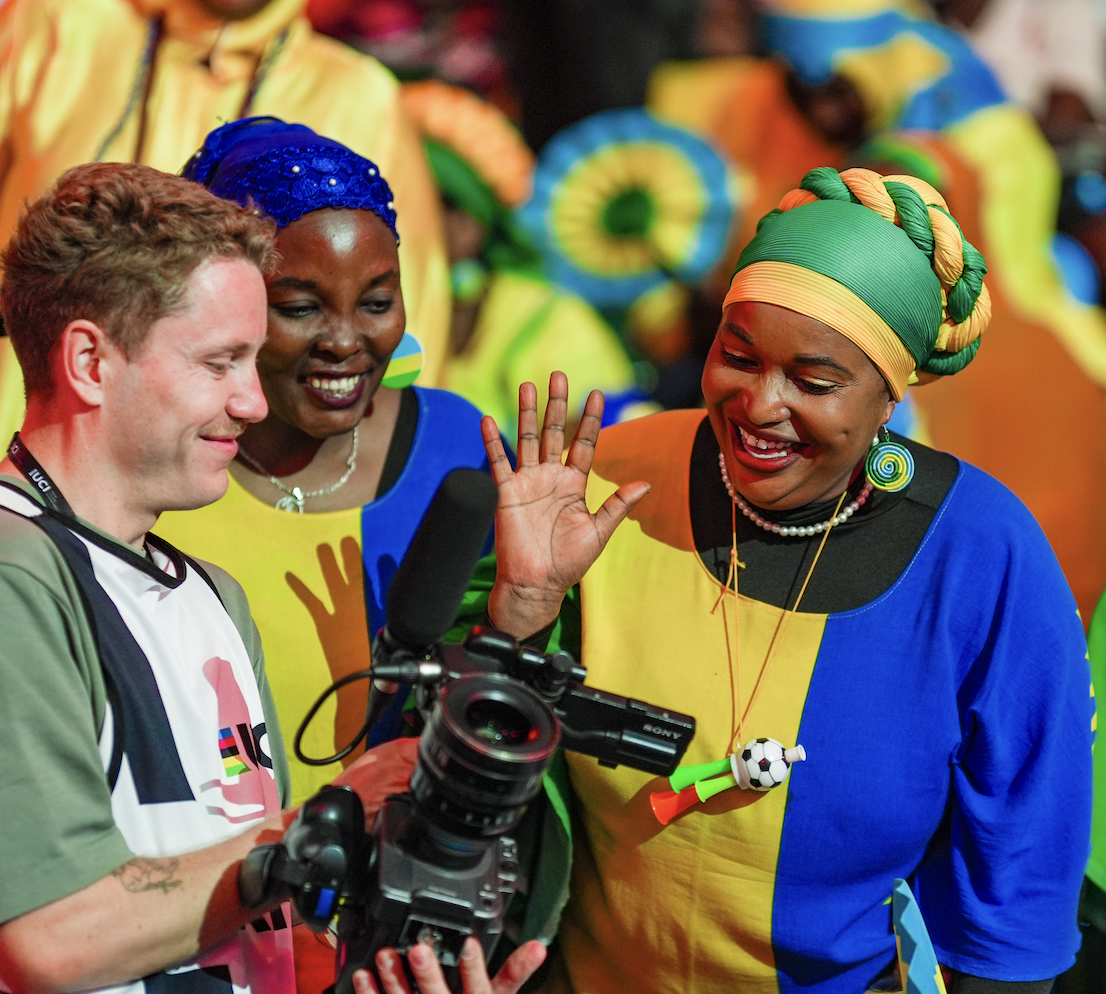
Africa has been here before, on the wrong side of the story. Much of the record of the continent's sporting past sits in colonial archives in Europe, in the vaults of global federations, or in footage owned by international broadcasters. Some of it has simply been lost: tapes left to decay, photographs never catalogued, legends whose stories died with them.
Today's hosting boom is a chance not to repeat that. But only if the second infrastructure is taken as seriously as the first. Three questions matter:
A country that builds the stadium but outsources the story has paid for the stage and given away the memory.
What would it look like to treat narrative as infrastructure? From where we stand, five principles:

Africa's hosting era will be judged by its stadiums, its logistics and its crowds. It will also be judged by what it remembers.
The nations that win in the long run will be the ones that build both infrastructures at once: the one you can walk into, and the one that carries the walk-in moment into the future.
This piece opens a series on narrative infrastructure in African sport. Next, we ask a question that has followed us through six years of covering these venues: who holds the memory of African sport? After that, we will look at hosting legacy, at venues as national characters, and at what audience insight reveals about the moments we think we know.
- TORI Branding
————


